Planning a wedding in France often begins with a feeling. A ballroom overlooking Paris. A château surrounded by vineyards. A weekend in Provence that feels as though it belongs in another time. It’s easy to imagine the celebration. Bringing it to life is where thoughtful planning begins.
The success of a France destination wedding depends on far more than finding a beautiful venue. Accommodations, transportation, currency, vendor communication, legal requirements, and the rhythm of a wedding weekend all influence how the experience ultimately feels for you and your guests.
These details may not be the most romantic part of planning. They are, however, what allow the romantic parts to unfold beautifully.
One of the greatest advantages of working with Julian Lever Events is that you don’t have to navigate those decisions alone. Our U.S. and European teams work together throughout the planning process, giving our couples the accessibility and structure they expect at home, paired with local expertise, trusted relationships, and on-the-ground support in France. Here are the logistical considerations we believe every couple should understand before planning a wedding in France.
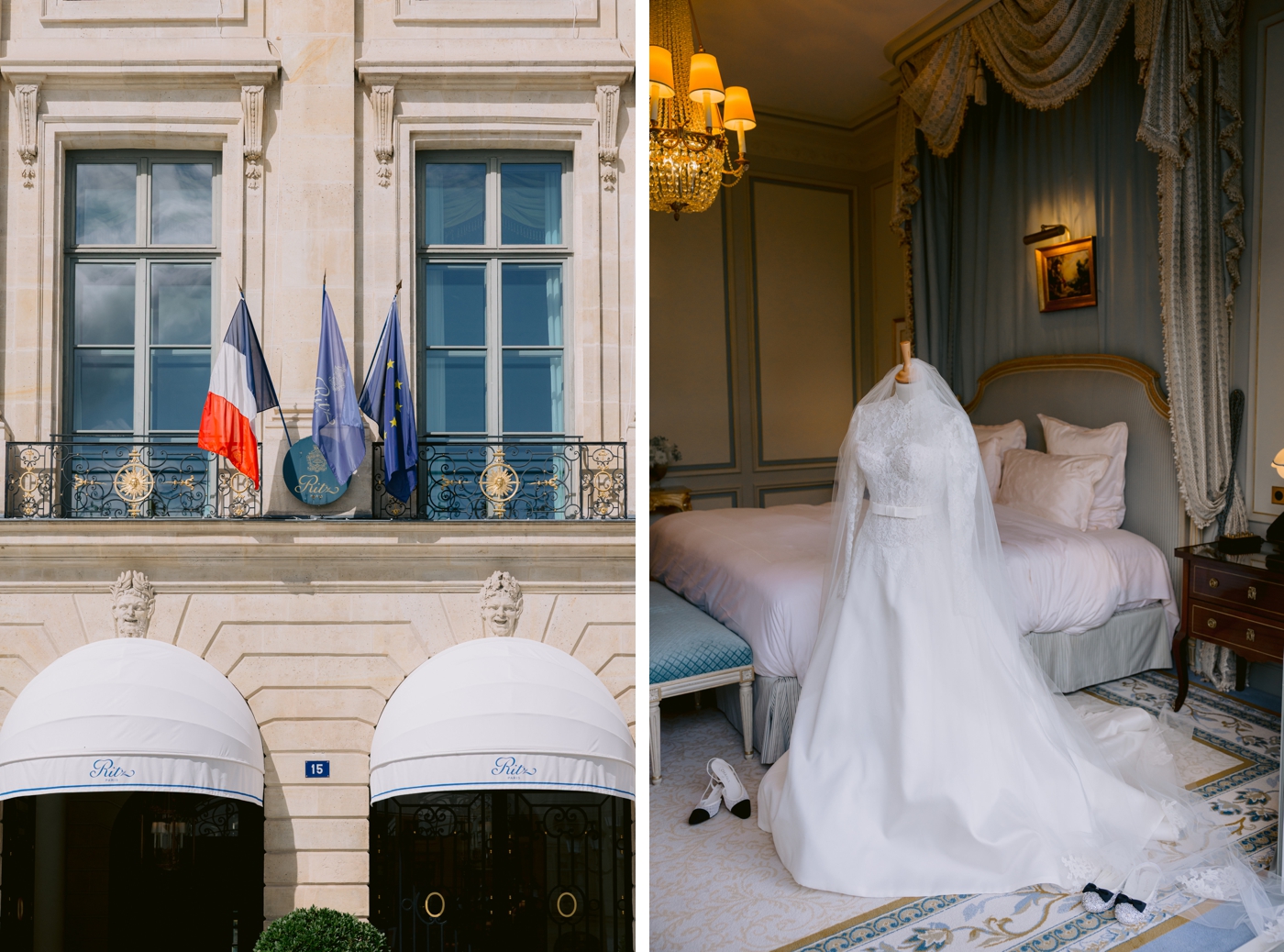
The Five Logistics That Shape a France Destination Wedding
1. Non-Negotiable – You Need a Team on the Ground
Most logistical challenges can be solved with enough forethought. This is the one element we do not consider optional. There is a category of French wedding vendor you will not easily find through an online search. It might be the florist who works almost entirely through referrals, the château that does not actively market to American couples, or the rental company whose catalog arrives as a PDF after a trusted introduction.
Access to those partners is built through relationships. And relationships take years, not a search engine.
Local support also matters when something changes at 9:00 p.m. on a Friday in a village of 400 people. The solution may depend on someone who knows whom to call, can communicate in French, and has enough trust behind the relationship to get an answer.
Planning a wedding in France from a laptop in the United States can work beautifully. But there must also be hands, eyes, and relationships on French soil. That is why our model gives couples the best of both worlds. Our U.S.-based team provides the clear communication, accessibility, and detailed planning process American couples are accustomed to. At the same time, our team in France can visit properties, develop regional relationships, communicate with local partners, and support the countless details that are easier to manage from within the country.
2. Accommodations May Determine the Venue
Couples often begin with the venue and plan accommodations afterward. In France, we frequently recommend reversing that order.
At many countryside properties, where your guests will sleep either becomes part of the venue experience or determines which venues are practical. Most French châteaux accommodate approximately 20 to 30 overnight guests. If your guest count extends beyond that, additional hotels and private transportation may be required, and most likely from a tiny town 30 minutes away.
Before signing a venue contract, we consider:
- How many people can stay on the property
- The proximity and quality of additional lodging
- Travel time between accommodations and events
- Whether late-night transportation is feasible
- Where vendors and production teams will stay
- How the lodging plan supports a multi-day wedding weekend
Paris presents the opposite challenge. Hotel rooms are plentiful, but they are often smaller than American travelers expect. Parisian hotels may also lack the large getting-ready suites common at U.S. wedding venues. Creating enough room for the wedding party, hair and makeup artists, photographers, attire, and personal belongings may require reserving a substantial suite or a private meeting space. At certain luxury hotels, suites of that scale average €5,000–6,000 per night.
Room blocks also work differently. Courtesy blocks are less common, and a hotel may require a contracted number of rooms or an advance commitment. Before signing, ask guests how they intend to travel. Many may be building the wedding into a longer European vacation and prefer to choose their own hotel or short-term rental.
3. One Well-Planned Site Visit Can Be Enough
Couples sometimes assume that planning a wedding abroad requires several trips to France. It does not, particularly when the planning team has already done the scouting and preparation.
One well-run visit can accomplish far more than four loosely structured trips.
A productive planning trip may include venue walkthroughs, menu tastings, floral and production meetings, accommodation scouting, transportation planning, and time spent in the precise locations where each part of the wedding will occur.
We want to stand in the ceremony space at the expected ceremony hour. We want to understand where the sun will fall, how guests will arrive, where musicians will load in, and what the transition into cocktail hour will feel like. Online galleries tell us how a venue looks. Spending time there tells us how it works.
The purpose of a site visit is not to tour every lovely property in the region. It is to make informed decisions. Three carefully vetted venues create a productive decision-making trip. Eleven venues usually create exhaustion.
Our team narrows the possibilities before you arrive so your time in France can be focused, useful, and still enjoyable.
4. The Legal Ceremony Requires Early Clarification
Many American couples choose to complete the legal marriage in the United States and hold a symbolic ceremony in France.
A symbolic ceremony can still include the processional, vows, rings, readings, music, and every emotional element couples associate with the wedding itself. The distinction is simply that the legal documentation has already been completed at home.
Civil marriage in France is performed through a mairie, or town hall, and eligibility depends on factors including nationality, residency, and the couple’s connection to the municipality. For two foreign nationals who do not reside in France, completing a legally recognized civil marriage in mainland France may not be available in the same way it is for residents.
5. Build the Budget in Euros
Contracts are issued in euros, and deposits are typically spread across 12 to 18 months. A 10% currency shift on a €150,000 wedding represents €15,000 that may not have been part of the original plan. We recommend building and managing the budget in euros from the beginning.
A France destination wedding can also include expenses with no obvious equivalent in a local U.S. wedding. These may include:
- Guest transportation across several days
- Vendor travel and accommodations
- Rentals transported to rural properties
- Power, restroom, tenting, and production infrastructure
- Additional lodging near remote venues
- Welcome events, excursions, and farewell gatherings
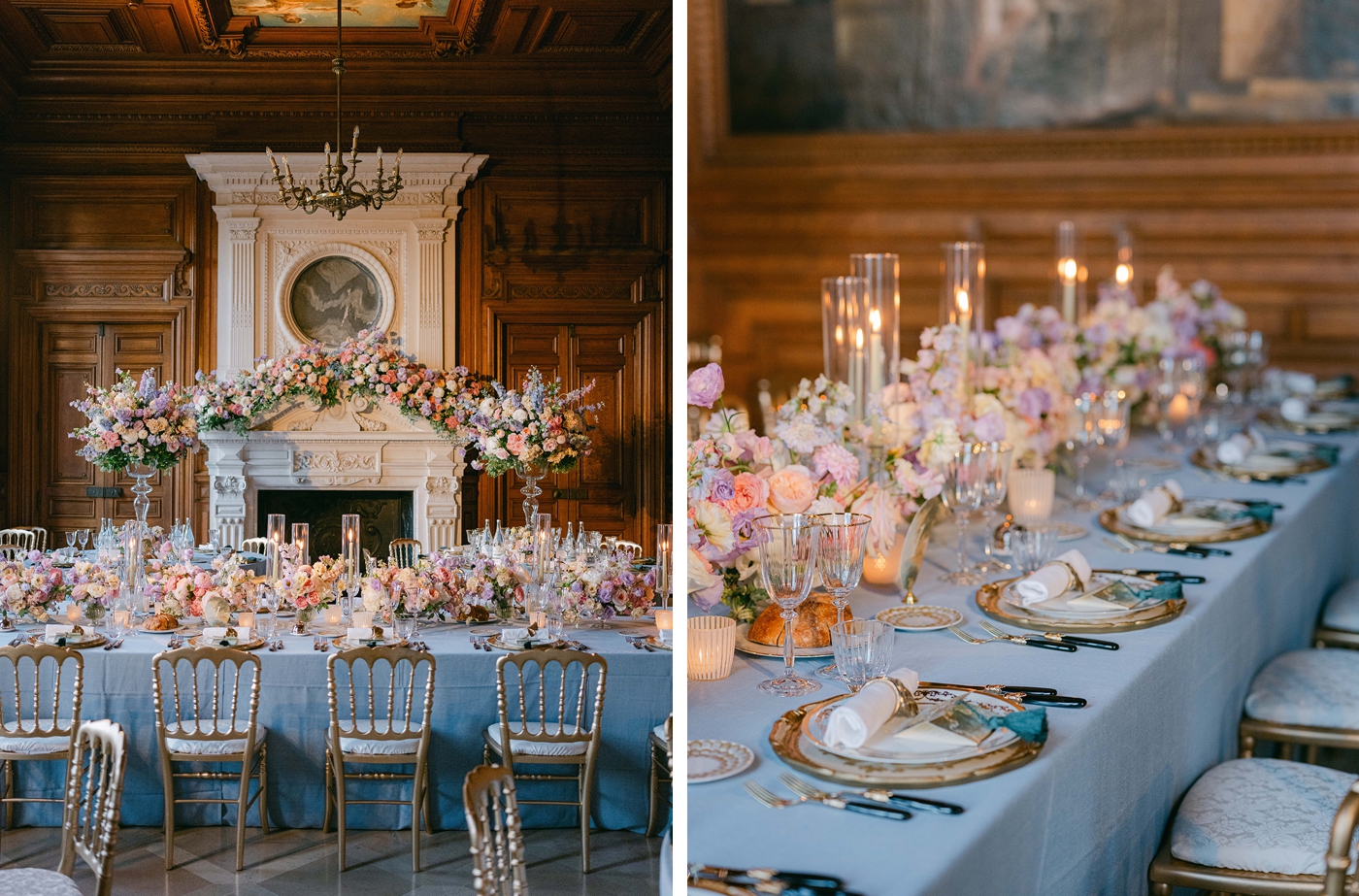
Many countryside venues do not maintain inventories of matching chairs, tabletop pieces, or production equipment for a large wedding. Those elements may need to be brought in from another city or region.
Service is included, and gratuity is neither expected nor automatically built into every vendor interaction as an additional 20% to 25%. There are no required envelopes for the band, drivers, beauty team, or coordinators. On a wedding where an American couple might otherwise distribute five figures in tips, that line simply does not exist. Personal gestures of thanks are always welcome. Obligatory percentages are not.
French Vendors Plan Differently Than American Vendors
This is the section many couples wish someone had explained at the beginning. A significant amount of friction when planning a wedding in France comes from differences in professional culture. Those differences are not necessarily red flags. But they do require context.
Our role is to translate between the two approaches, preserving the artistry and relationships that make working in France so special while providing the clarity and structure our American clients need.
Email Is Not Always Treated as an Instant Conversation
American couples may be accustomed to receiving a vendor response within a few hours or by the next business day. In France, correspondence may be more formal, considered, and batched.
A reply may take several days without indicating neglect or disinterest. Sending repeated follow-ups after a day or two can be interpreted differently than it would in the United States. This is where relationships help. A trusted destination wedding planner knows when a response time is culturally normal, when a follow-up is appropriate, and when something genuinely needs attention.
August Requires Its Own Planning Strategy
August is closed. Not slow — closed. Many French professionals take extended holidays during August and will be unreachable.
We build the planning schedule with this in mind rather than treating August like an ordinary working month. Important approvals, deposits, design decisions, and production conversations should be addressed before summer holidays whenever possible. A slower August is not a planning emergency when it has already been accounted for.
On-Site Planning Expectations May Differ
The phrase “wedding planner” does not always describe the same service in France that it does in the United States.
Some French planners focus on design and coordination leading up to the wedding, while the venue’s maître d’hôtel or internal team directs portions of the event itself. American couples often expect their planning team to be physically present throughout the wedding weekend, from the first vendor arrival to the final guest departure. Never assume those expectations are shared. They should be discussed and confirmed in writing.
At Julian Lever Events, our approach is built around active on-site leadership. Our team is there to direct the vendor team, protect the timeline, support the couple and their families, and respond immediately when circumstances change. We are not simply passing along plans. We are responsible for executing them.
Contracts and Timelines May Be Less Granular
French vendors may not automatically provide the detailed schedules American couples are accustomed to receiving. French vendors tend to trust their own expertise and the venue’s rhythm. That flexibility can be wonderful. It can also feel unsettling to a couple who wants to understand exactly what happens next.
We bridge the difference without micromanaging the creative partners involved. Our team translates French flexibility into a structured planning framework, establishes clear responsibilities, and builds a comprehensive wedding schedule from the beginning of the process.
French Celebrations Follow a Different Rhythm
A French reception often begins dinner later and continues well into the early morning. A seated meal may start around 9:00 p.m., with dancing continuing until 4:00 or 5:00 a.m.
That rhythm can be part of the joy of hosting a French wedding. But it may be unfamiliar to American guests. You can embrace the local pace completely or adapt it to suit your guests. What matters is setting expectations early, planning transportation appropriately, and making sure food, entertainment, and guest comforts support the length of the celebration.
Relationships Often Come Before Transactions
French vendors may want to understand who you are, what you value, and who has introduced you before preparing a proposal. A warm introduction from a planner they know can create a very different conversation from a cold inquiry. It can provide access to vendors who rarely advertise, encourage clearer communication, and establish trust long before the contract is signed. This relational approach is one of the reasons having a team in France matters so much. We are not beginning from zero each time we send an email.
Paris or the French Countryside?
One of the first major decisions when planning a wedding in France is whether you want the energy and convenience of a city or the privacy and immersion of the countryside. Neither is objectively better. They simply create different wedding weekends.
A Wedding Weekend in Paris
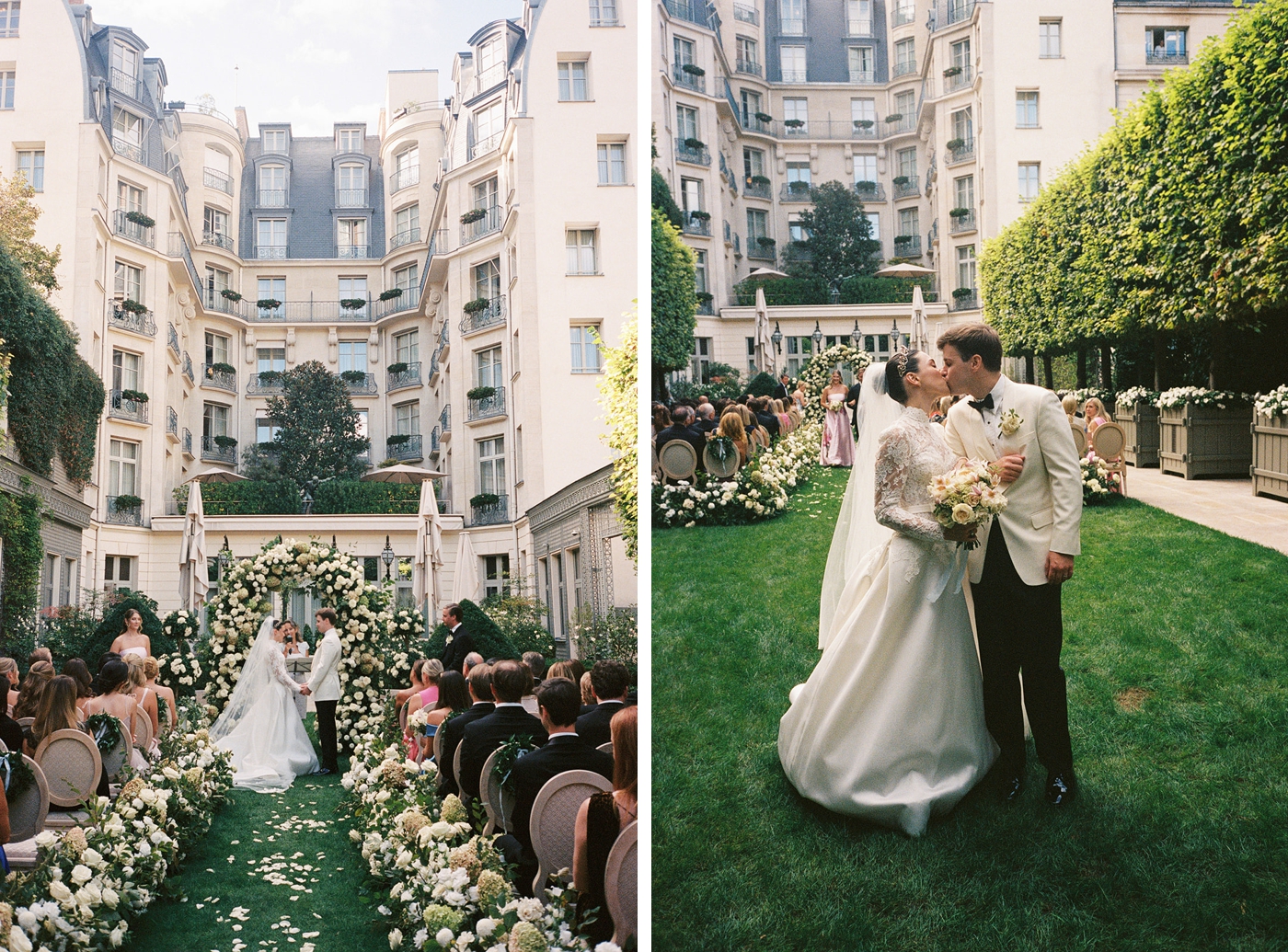
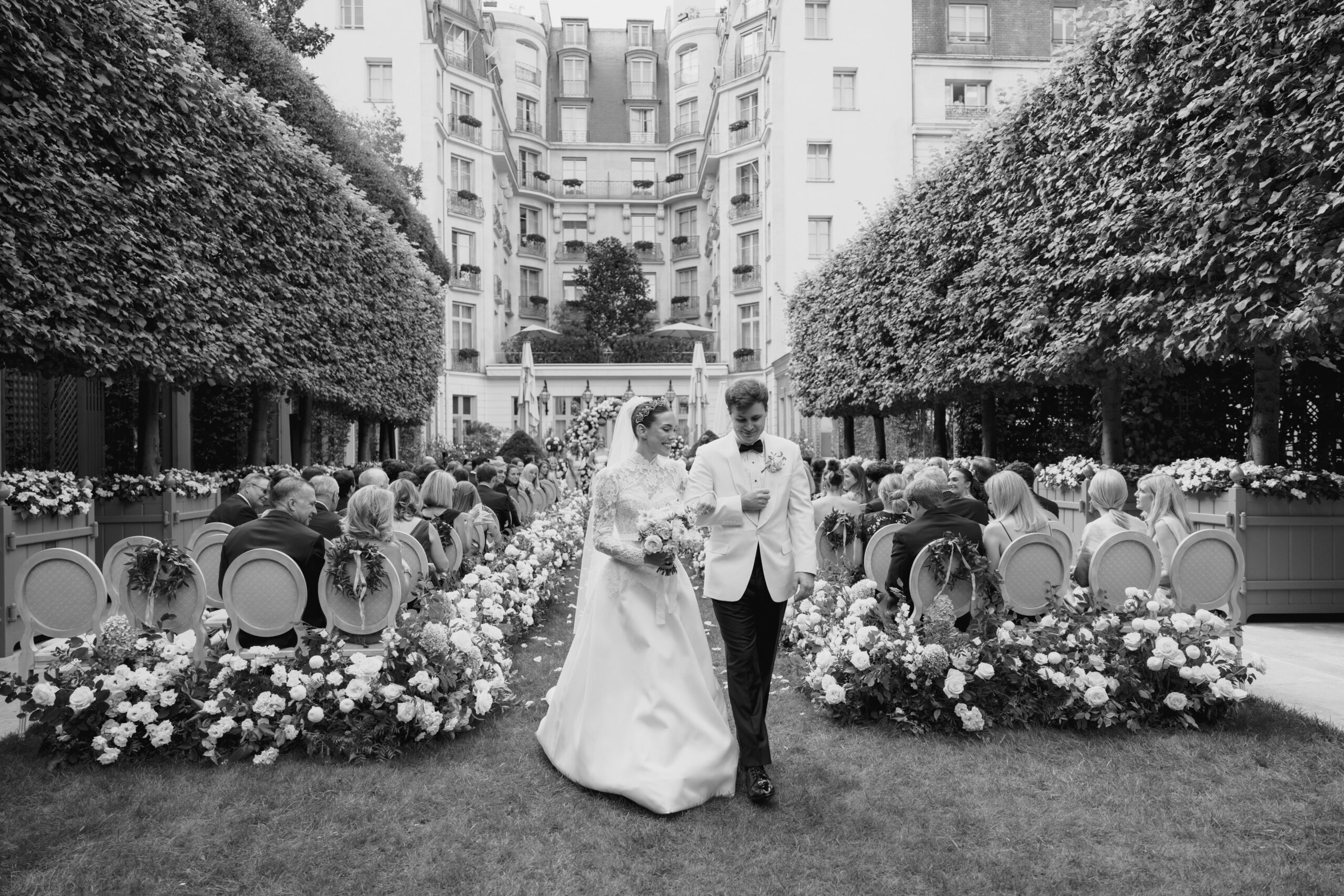
There is simply no place more iconic for a romantic celebration than Paris. As French wedding planners, we often recommend the French capital to American couples dreaming of an elegant and unforgettable destination wedding
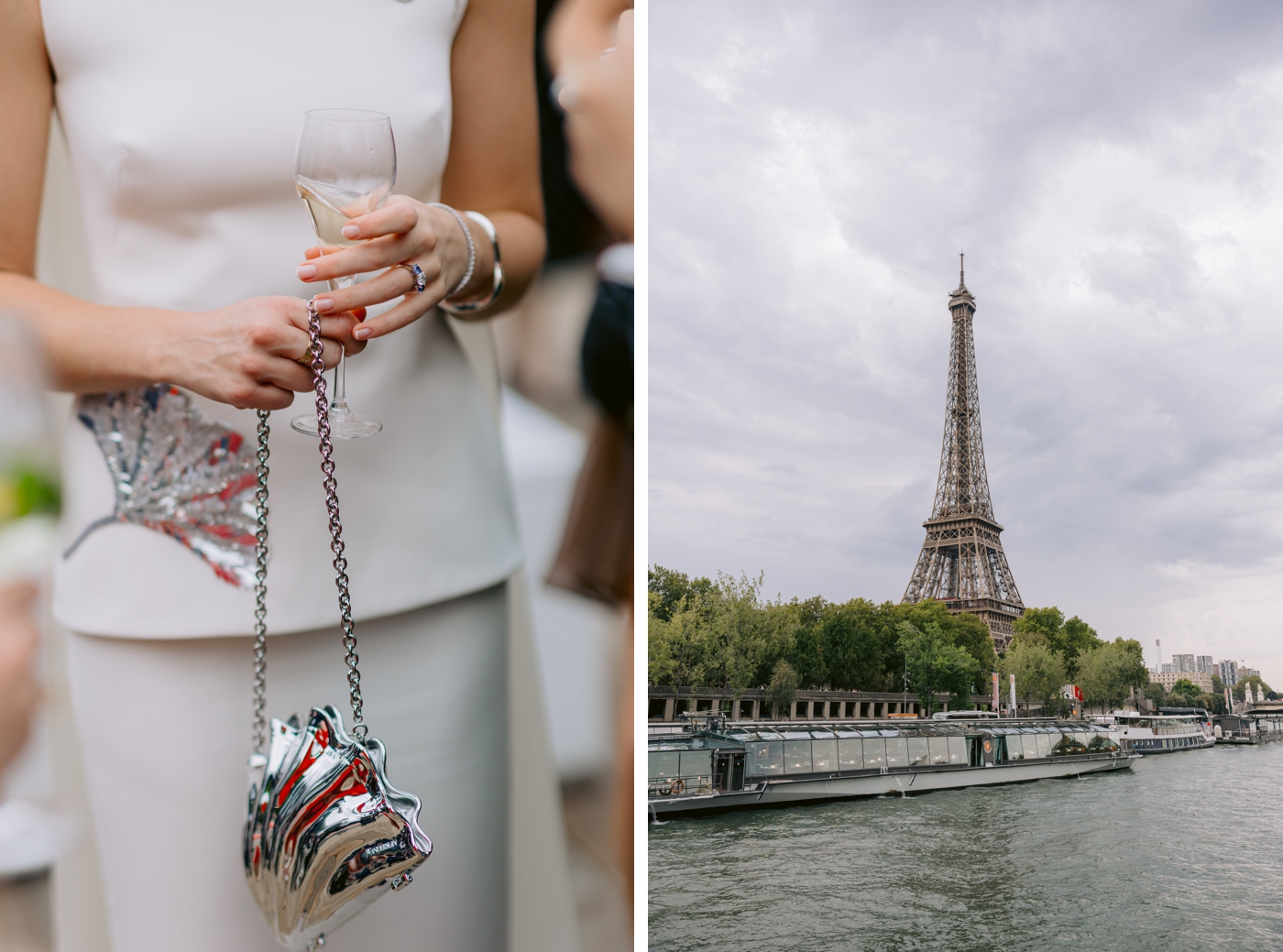
Couples can exchange vows with views of the Eiffel Tower, gather inside an ornate historic salon, host dinner at a palace hotel, and welcome guests with a private cruise along the Seine. The city also offers world-class cuisine, art, shopping, and cultural experiences, allowing guests to build their own itineraries around the wedding.
Paris can be particularly appealing to couples who want guests to maintain some independence. Transportation, restaurants, accommodations, and activities are readily available, so the couple does not necessarily need to organize every hour of the weekend.
READ OUR GUIDE TO CHOOSING A FRENCH CHÂTEAU FOR YOUR DESTINATION WEDDING
A Wedding Weekend in the French Countryside
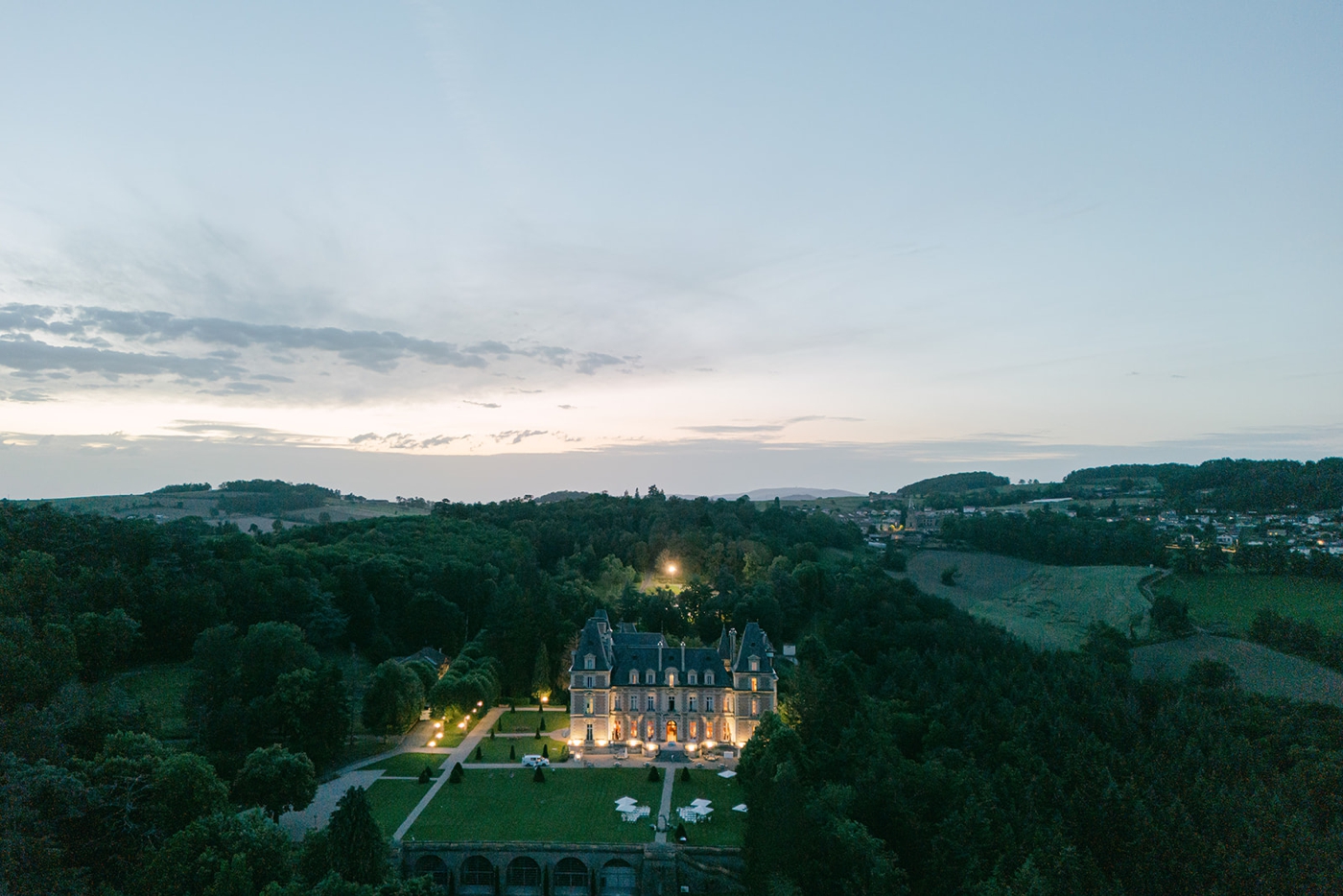
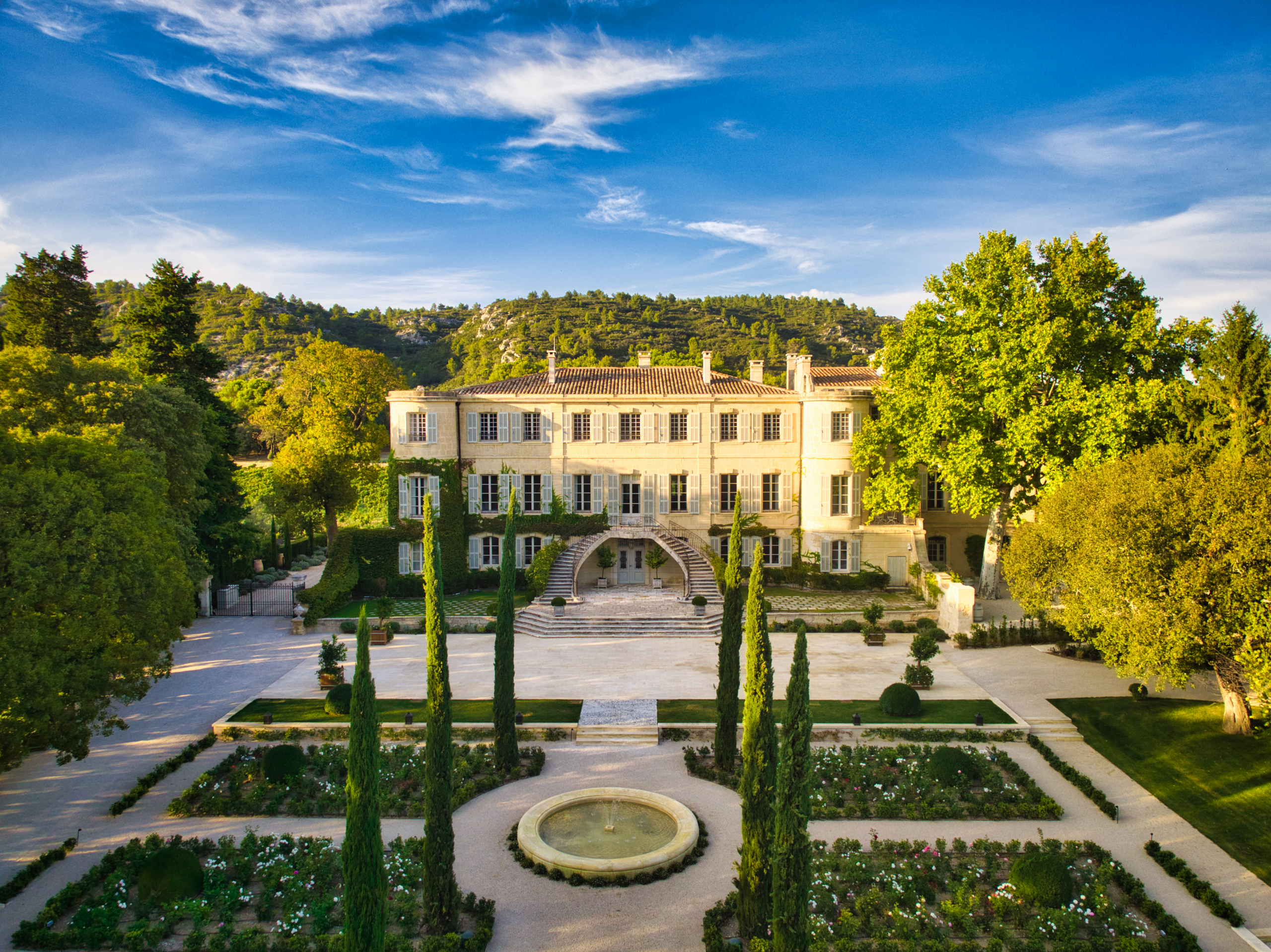
For couples looking for a more intimate and authentic experience, the French countryside is an exceptional choice. From the lavender fields of Provence and vineyards of Bordeaux to the Loire Valley and Champagne, the countryside provides extraordinary scenery and the opportunity to gather guests in one place for several days.
A château wedding can feel deeply personal. Guests may share breakfasts, wine tastings, garden walks, long dinners, and relaxed afternoons by the pool. There is more time together, and the property itself becomes part of the experience.
That intimacy requires more infrastructure. Accommodations, shuttles, vendor lodging, production access, and backup plans all need to be considered before the venue is selected.
READ OUR GUIDE TO CHOOSING A FRENCH CHÂTEAU FOR YOUR DESTINATION WEDDING

Planning a Wedding in France With Confidence
A beautiful venue is only the beginning. The most successful France destination weddings are built through hundreds of thoughtful decisions. Where will everyone stay? How will they travel? Which vendors understand the vision? What happens when the weather changes? Who is responsible for the final decision when several teams are involved?
As destination wedding planners who are experts in French weddings, our job is to give couples clear answers before those questions become problems. With a U.S.-based planning team and trusted support on the ground in France, our clients do not have to choose between accessible communication and local expertise. They receive both.
We understand the expectations American couples bring to the process. We also understand the relationships, rhythms, and logistical realities of producing a wedding in France. That combination allows us to create celebrations that feel personal and extraordinary without asking our clients to navigate an unfamiliar country alone.
Planning a wedding in France often begins with a feeling. Bringing it to life is where thoughtful planning begins, and that’s exactly where we come in. If France is calling, we’d be honored to help you bring your vision to life.
Vendor Team:
Provence Countryside Wedding
- Planning & Design: Julian Leaver Events
- Venue: Domaine Des Halles
- Florals: Florésie
- Travel Partner: Wedaways Travel
- Photography: Thomas Audiffren
- Cinema: Juno Wedding Films
- Catering: C-Gastonomie
- Rentals: Maison Options & Velvet Rendezvous
- Sound Production: Eurosono
- Entertainment: ALR Music
- Lighting: Jacob Co. Creative
- Stationery: Ink & Press Co.
- Beauty: Alesia Solo Co.
- Bridal Gown: Lela Rose
Paris Wedding
- Planning & Design: Julian Leaver Events
- Venue: Ritz Paris
- Floral Design: Florésie
- Rentals: Vendôme Locations
- Photography: Larisa Shorina Photography
- Film: Juno Wedding Films
- Content Creation: Avaera
- Officiant: Celebrant in Paris
- Entertainment: ALR Music
- Hair & Makeup: Alesia Solo Co.
- Lighting: Jacob Co Creative
- Stationery: Ink & Press Co.
- Wedding Dress Retailer: Warren Barron Bridal
- Wedding Dress Designer: Mark Ingram Bride
- After Party Dress Retailer: Happy Isles
After Party Dress Designer: Bob Mackie - Groom’s Attire: Culwell & Son
- Wedding Rings: Discovery Diamond
- Travel Partner: Wedaways Travel

« Can’t-miss Guest Experiences to Include in a French Destination Wedding Itinerary
All Posts
Show Comments |
Add a Comment